

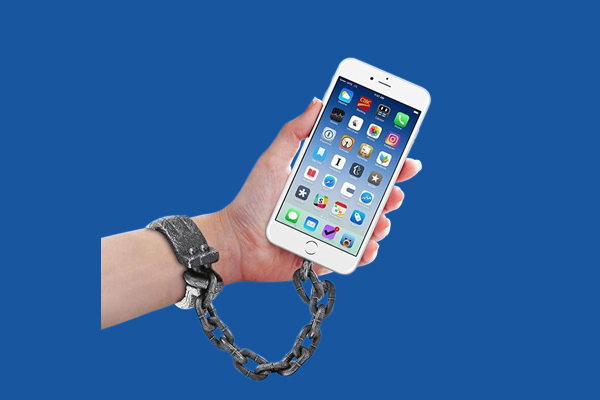
Despite being one of the most influential aspects of modern life, social media has a negative impact on teenagers’ happiness and gratitude. Platforms are often filled with idealized and seemingly perfect content, which leads adolescents to feel dissatisfied with their own lives.
In early 2025, the number of Indonesian social media users reached 143 million—approximately 50% of the country’s total population. Among these users, an estimated 79.5% are children and adolescents, giving them direct access to a vast amount of online content. However, this exposure often harms teenagers’ self-satisfaction and sense of gratitude. Social media platforms tend to showcase the most glamorous aspects of life, leading maturing teens to compare themselves unfavorably with what they see online.
Why do these “perfect” posts decrease young people’s gratitude? The answer lies in the developmental stage of their brains, which are still maturing.
Adolescents are naturally more prone to emotional instability, including jealousy, mood swings, and even depression. For instance, imagine a teenager scrolling through Instagram at the gym and stumbling upon a post showing someone their age with a lean, muscular physique. Seeing such an image might lead them to feel inadequate and even give up their own gym routine, believing they’re not progressing fast enough. Although such feelings can affect anyone, they are especially intense during adolescence, when emotional regulation is still developing.
Furthermore, most people tend to only post their best moments on social media. This is driven by a deep-rooted human desire for social acceptance and recognition—an instinct evolved from our ancestors’ need to belong to a group. As a result, users are more likely to share content that will earn praise, even if it’s exaggerated or staged. Some even go to the extent of editing photos or videos to appear more attractive or successful, further distorting reality for their audience.
Another pressing concern is the difficulty many teenagers face in distinguishing genuine content from false or misleading information. According to a study reported by The Conversation, only 11% of 11- to 17-year-olds could reliably recognize signs that indicate a post’s authenticity. Despite being digital natives, many members of Gen Z struggle to discern real news from fake. A separate study by Psychiatrist.com using the MIST (Misinformation Susceptibility Test) showed that Gen Z performed worse than baby boomers in identifying misinformation. This makes teenagers more vulnerable to being misled—and even unintentionally spreading—false information.
The influence of social media personalities only deepens this problem. Influencers often act as role models to their followers and may manipulate this power to their advantage. To maintain an image of success, some rent luxury cars, bags, or jewelry for photoshoots. Others may go into debt to finance the illusion of wealth. These curated portrayals cause teenagers to feel dissatisfied with their own financial situations, even when they are not in poverty. In extreme cases, adolescents may try to imitate influencer lifestyles without understanding the risks or the realities behind them.
Unfortunately, not all influencers act ethically. Some are involved in fraudulent activities. For example, in August 2024, influencer Angela Lee was arrested for alleged fraud and embezzlement involving the sale of luxury bags. Similarly, in October 2024, influencer Alnaura Karima Pramesti (known as Naur) was arrested in Japan after being placed on Interpol’s wanted list for her involvement in a fraudulent investment scheme. These incidents reveal the hidden, darker side of influencer culture—one that is carefully masked behind curated online personas.
To combat the negative effects of social media, education and critical thinking are essential. Teaching individuals to evaluate the credibility of sources, question what they see online, and understand the difference between reality and fiction can dramatically reduce the spread of misinformation and the psychological harm caused by social comparison. Promoting media literacy and encouraging thoughtful, responsible internet use can help reduce the pressure teens feel, and lower rates of depression and anxiety.
In conclusion, while social media offers many benefits, it also poses serious risks to teenagers’ mental well-being and gratitude. By taking active steps to educate and empower young people to think critically and use social media mindfully, we can mitigate its harmful effects and build a healthier digital environment for the next generation.
***
Aryo Bontang is a student at SMA Kemala Taruna Bhayangkara. This article was produced as part of the school’s CCA Creative Writing Program in collaboration with the OM Institute.


