

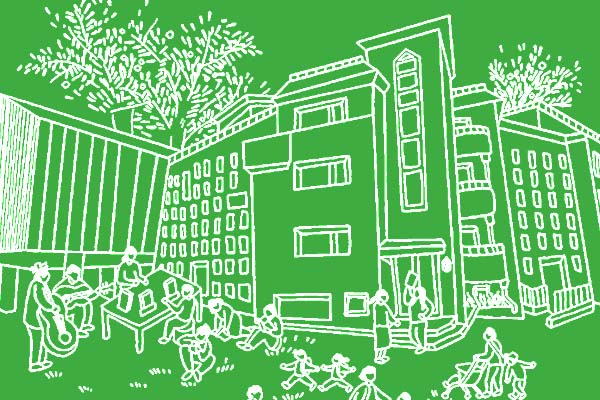
Growing up as a teenager is never simple. These years are the turning point where character begins to form, values are tested, and confidence starts to grow. Teenagers do not grow in isolation, because the people and environment around them strongly influence how they think, act, and make decisions. For students who live in boarding schools, this influence feels even stronger. Being away from parents and family brings challenges that normal school students may not face. Living in dorms, following strict routines, and constantly interacting with peers means that the school environment does not only shape academics but also resilience, independence, and personality.
One of the biggest challenges in boarding life is self-confidence. Surrounded by peers day and night, it is easy for students to compare themselves with others who seem smarter, more talented, or more outgoing. These constant comparisons can lead to insecurity. At the same time, this is exactly why the surrounding support matters so much. Encouragement from a teacher, guidance from a mentor, or even a kind word from a friend can help a student focus on their own strengths instead of feeling left behind. In normal schools, teenagers can go home and rely on their families for support. In boarding schools, the support system comes mainly from the community inside, which makes teachers, mentors, and friends even more important in shaping confidence.
Mentors in particular play a unique role. They are not just supervisors, they are also guides, listeners, and role models. Acting as second parents in the dorms, mentors oversee routines, offer advice, and make sure students feel cared for even when they are far from home. Building this relationship is not always easy, because many students hesitate to share personal struggles with adults who are not their real parents. This is why trust becomes such an important part of the mentoring role. When mentors are approachable and understanding, students feel safer opening up, and this guidance can help them grow in discipline, responsibility, and self-belief.
Another aspect that makes boarding life different is the balance between academics and residential activities. Life in boarding schools is not only about books and exams. There are sports, clubs, co-curricular activities, and community service activities that allow students to explore their interests, relax from academic pressure, and develop important life skills. Balance between these two sides is essential. Too much focus on academics may lead to stress and burnout, while focusing only on residential activities could harm academic performance. Structured routines in boarding schools are designed to help students find this balance. Learning how to manage time and priorities becomes one of the most valuable lessons, because these skills are carried forward long after school is over.
Friendships are another powerful influence in boarding schools. Since students live together every day, dormmates quickly become more than just classmates. They share meals, routines, late-night talks, and even struggles. This closeness means that friendships can deeply shape a teenager’s confidence and growth. Positive friendships provide motivation, comfort, and a sense of belonging, making boarding life feel like a second home. On the other hand, negative peer pressure can lead to poor choices and harm self-esteem. This is why supportive friendships are one of the strongest foundations a teenager can have during boarding life.
Another positive aspect of boarding schools is the limited access to phones and social media. While at first this may feel like a restriction, it often becomes an advantage. Without the constant distraction of screens, students are encouraged to live in the moment, focus on their studies, and build real friendships face-to-face. Instead of comparing themselves to the unrealistic world of social media, teenagers in boarding schools learn to value genuine interactions and spend more time discovering their own strengths. In many ways, the absence of phones helps create a healthier, more focused environment.
The difference between boarding schools and normal schools is clear. In normal schools, students spend the day studying but return home to the comfort of their families in the evening. In boarding schools, almost every part of life—studies, friendships, and personal growth—happens in the same environment. This makes the influence of the school community much stronger. Without daily family support, teenagers rely on mentors, teachers, and peers to guide them. The challenges may be greater, but the rewards are equally significant. Boarding life teaches independence, resilience, and the ability to live in a community, all of which prepare teenagers for life beyond school.
In the end, boarding schools are not just places to study, they are environments that shape confidence, balance, and character. Support from mentors and teachers provides guidance, structured routines teach discipline, and friendships create the sense of belonging every teenager needs. Even the restrictions, such as limited phone use, can turn into positives by encouraging healthier habits and deeper relationships. The journey is not without its difficulties—homesickness, pressure, and constant comparisons are real—but these challenges can become opportunities for growth. With the right environment, boarding life becomes a transformative experience that prepares teenagers not only for academic success but also for the realities of life.

